
Top Signs You Need Professional Tree Removal in Virginia
Learn the warning signs that indicate it’s time to call a professional tree removal service in Virginia before damage occurs
Antonio Smith
2/25/20267 min read
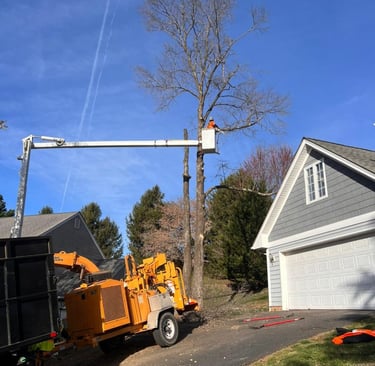
Introduction to Tree Removal
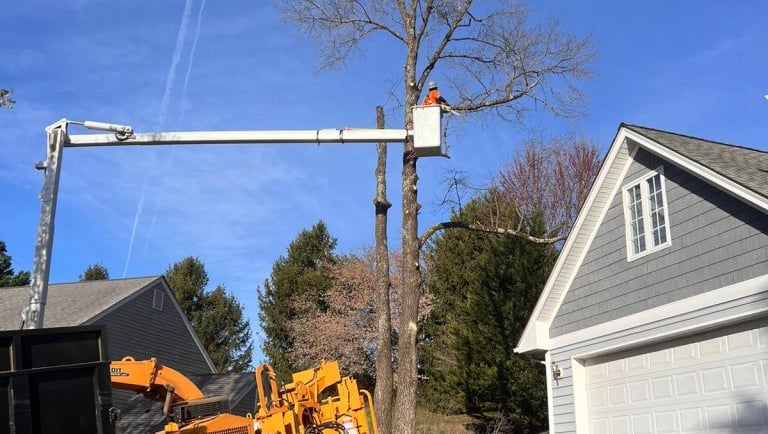
Tree removal is a critical service that encompasses the safe and efficient elimination of trees from residential or commercial properties. The necessity for tree removal can arise due to various factors, including safety risks, aesthetic preferences, and the overall improvement of property value. Trees can provide significant benefits to a landscape, such as shade and beauty; however, under certain circumstances, they may pose dangers that outweigh their advantages.
One of the primary reasons for tree removal stems from safety concerns. Trees that are diseased, dying, or structurally compromised can threaten the surrounding environment. Their potential to fall during severe weather can endanger lives and property, making professional intervention essential. Additionally, overgrown trees may interfere with power lines or obstruct views, necessitating their removal for both safety and convenience.
Aesthetics also play a vital role in the need for tree removal. Homeowners often seek to enhance their landscape for visual appeal, and sometimes, this includes the removal of trees that are unattractive or impede the growth of healthier plants. Furthermore, well-maintained outdoor spaces can significantly boost property value, making tree removal a key component in landscaping strategies aimed at marketability.
In summary, tree removal is more than a mere aesthetic choice; it is a necessary adjustment to ensure safety and property enhancement. Understanding when to engage a professional tree removal service is paramount, as the signs of distress in trees are not always visible to the untrained eye. In the following sections, we will discuss indications that may suggest it is time to consider this critical tree care service.
Common Signs Your Tree is Dying or Dead
Identifying a dying or dead tree is crucial for maintaining the safety of your property and its surroundings. Several telltale signs can indicate that a tree is in distress or has already succumbed to disease. One of the primary indicators is discoloration of the leaves or bark. Healthy trees usually exhibit vibrant color, while a dying tree may show yellowing, browning, or a lack of foliage altogether. This can be an early warning sign that the tree lacks the necessary nutrients or water to thrive.
Another common symptom is leaf drop, particularly outside of the normal seasonal cycle. If a tree is losing its leaves early in the fall or not sprouting new leaves in the spring, this could signal significant problems. Additionally, excessive leaf drop during the growing season often indicates that the tree is unable to sustain itself.
Decay is another alarming sign that a tree may be dead or dying. It is generally characterized by soft, crumbling wood, which often results from fungal infection. When inspecting a tree, check for any signs of hollowness or excessive cracking. These structural changes not only jeopardize the tree’s ability to stand but also pose a risk to nearby structures and individuals.
Finally, the presence of fungus growing on the tree or at its base can suggest internal damage. Fungi, often indicative of rot, can weaken the structural integrity of a tree. Trees infested with fungi are at a higher risk of falling, especially during severe weather conditions. Therefore, recognizing these signs early can help in deciding whether professional tree removal services are necessary to mitigate potential hazards.
Structural Instability of Trees
Identifying the structural instability of trees is crucial for maintaining safety in both residential and commercial areas. Trees that exhibit signs of leaning pose significant risks, especially during severe weather conditions. A tree that leans toward a house, roadway, or any other structure might indicate an imbalance, often due to compromised root systems. This instability can quickly evolve into a hazardous situation if not addressed promptly.
Root damage is another critical indicator of a tree's structural health. Roots serve as the anchoring system, and any damage—from diseases, soil erosion, or construction activities—can undermine a tree's stability. Observing exposed or decayed roots should raise immediate concerns regarding a tree's ability to withstand strong winds or heavy rain. Inspecting the area around the tree and assessing root integrity can provide essential insights into its overall health.
Furthermore, cracks or splits in the trunk are clear warning signs of a tree in distress. These fractures can occur due to rapid changes in temperature, pest infestations, or physical damage. If the trunk exhibits any signs of significant cracking that compromises its structural integrity, professional evaluation is highly recommended. Such issues not only make a tree more susceptible to falling but can also escalate the risk of injury or property damage during storms.
Overall, structural instability in trees manifests through various indicators such as leaning, root damage, and trunk cracks. These signs suggest an urgent need for professional tree removal services to ensure the safety of the surrounding areas. Failure to address these issues promptly could lead to catastrophic consequences, especially when adverse weather conditions arise.
Effect of Pests and Diseases on Trees
The health of trees can be significantly compromised by various pests and diseases, making it imperative for homeowners to recognize the signs that may indicate a need for professional tree removal in Virginia. One of the most common pests affecting trees in this region is the emerald ash borer, an invasive beetle that targets ash trees. Infestations typically manifest as distinctive D-shaped exit holes in the bark, heavy leaf decline, and the presence of woodpecker damage as these birds attempt to feed on the larvae beneath the bark.
Another critical factor to consider is the role of tree diseases, such as oak wilt and hypoxylon canker, which can severely impact tree vitality. Oak wilt is a fungal disease that affects the vascular system of oak trees, leading to rapid leaf wilting and eventual tree death. Homeowners may first notice patches of wilted leaves that are discolored, often appearing maroon, which can serve as a clear indication of infection. If left unchecked, the spread of oak wilt can lead to the loss of entire oak populations in the vicinity.
Additionally, root rot, often caused by soil-borne fungi, can devastate a tree's foundations, making it unstable and susceptible to falling during storms or high winds. Signs such as excessive fungal growth at the base of the tree and yellowing foliage may indicate an underlying issue. Effective tree maintenance and pest management strategies are essential to preserve tree health; however, if the damage is extensive, seeking expert assessment for potential tree removal is crucial. In particular, trees suffering from severe pest infestations or diseases can become hazards, highlighting the need for immediate action to ensure safety and maintain the landscape's appeal.
Proximity to Power Lines and Structures
The location of trees is a critical factor in determining the necessity for professional tree removal, particularly when they are situated near power lines, buildings, and roadways. Trees that grow close to power lines pose significant safety hazards, as their branches can make contact with the lines during storms or high winds, leading to power outages, electrical fires, or even electrocution. This risk is particularly pertinent in Virginia, where severe weather conditions can result in unpredictable tree movements. Homeowners must heed the advice of local utility companies regarding maintaining a safe distance between trees and power lines, as failure to do so could result in serious consequences.
Moreover, trees that are too close to buildings can cause structural damage over time. The roots may compromise the integrity of foundations, while branches can scrape against siding, windows, or roofing, leading to potential leaks and increased repair costs. Trees positioned near roads can also obstruct visibility for drivers, creating safety concerns for both pedestrians and vehicles. In addition, local ordinances may dictate specific distances trees must maintain from structures to minimize these risks, which makes awareness of zoning regulations crucial.
It is also essential for homeowners to consider the legal implications of having trees in dangerous proximity to power lines and other structures. If damage occurs due to negligence regarding tree maintenance or removal, homeowners could be held liable for any resulting injuries or property damage. Thus, proactively addressing the proximity of trees within your property, especially those that threaten power lines or structures, is not only a matter of safety but also a consideration of legal responsibility. Seeking professional consultation to evaluate and address these risks can be a prudent course of action.
Benefits of Professional Tree Removal
Engaging professional tree removal services in Virginia offers numerous advantages that significantly outweigh the prospects of a DIY approach. One of the primary benefits is enhanced safety. Tree removal is inherently hazardous, particularly when dealing with large trees or those situated near structures or power lines. Professionals are equipped with the training, skills, and experience necessary to handle these risks effectively, minimizing the potential for accidents or injuries.
Moreover, experts in tree removal possess a wealth of knowledge regarding various tree species, their growth patterns, and appropriate removal techniques. This expertise ensures that the process is executed efficiently and correctly, preserving the integrity of the surrounding landscape. Identifying potential issues such as disease, insect infestations, or root damage is also crucial, and professionals can quickly assess these factors to provide effective solutions.
The right equipment is another critical factor that comes into play when removing trees. Professional tree removal teams utilize specialized tools and machinery designed for efficiency and safety, which are often unavailable to the average homeowner. These tools can manage the task more effectively, reducing the time spent on the project and ensuring that the area is not left in disarray after completion.
Finally, proper disposal of removed tree materials is an essential consideration. Professional services typically include the responsible disposal or recycling of wood and debris, ensuring that the environment is not adversely impacted. This contrasts sharply with a DIY approach, which can lead to the improper handling of waste and additional cleanup efforts. In conclusion, hiring professionals for tree removal not only safeguards your property and health but also guarantees the job is done correctly, saving you time and potential costs associated with errors and accidents.
FAQs About Tree Removal in Virginia
When considering tree removal services in Virginia, many homeowners have common questions regarding the process, costs, and regulations involved. This section aims to address these inquiries, providing clarity on various aspects of tree removal.
One of the primary concerns is the cost associated with tree removal. Prices can vary significantly based on factors such as the tree's height, location, and overall condition. On average, homeowners can expect to pay between $200 to $2,000. It is advisable to obtain multiple quotes from different service providers to ensure a fair estimate. Additionally, larger trees or those in complex locations may incur additional charges.
Another frequently asked question pertains to permits. In Virginia, specific municipalities may require permits for tree removal, especially for larger trees or those located in designated conservation areas. It is important to check with local regulations to determine whether a permit is necessary. Failing to obtain the required permit can lead to fines or additional complications, so it’s best to confirm this before proceeding.
Choosing a qualified service provider is crucial for a successful tree removal. Homeowners should look for companies that have the appropriate insurance, certifications, and positive customer reviews. It is recommended to verify that the company employs certified arborists who are well-versed in tree biology and the safest removal practices. Additionally, inquire about their experience with tree removal services in Virginia, as local knowledge can significantly impact the quality and safety of the work performed.
By addressing these common questions, homeowners can make informed decisions regarding tree removal services in Virginia, ensuring a smooth and efficient process while prioritizing safety and compliance with regulations.
Contact
Get in touch for expert tree care
© 2025. All rights reserved.